


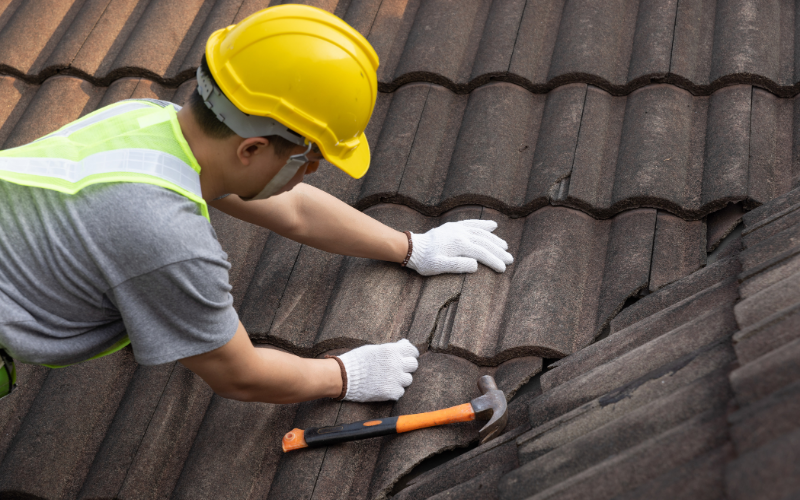
Property management companies do not pay up front for a roof replacement. They manage and coordinate the project inspections, estimates, permits, contractor supervision but the property owner’s funds cover the costs.
Payment typically comes from a reserve or maintenance account, direct owner contribution, or insurance payout. The manager acts as the project organizer, not the payer.
Who Pays for Roof Replacement


Property Managers Handle the Work, Not the Bill
Property managers oversee the process but rarely cover expenses from their own budgets. Roof replacements are considered major capital improvements that fall under the owner’s financial responsibility. The manager collects quotes, schedules contractors, and verifies completion before releasing payments from the owner’s funds.
How Management Agreements Define Payment Responsibility
Management contracts specify who pays and under what conditions. Most agreements set approval thresholds if the repair exceeds a certain amount, the manager must obtain owner consent before proceeding. These documents also define whether the expense is routine maintenance or a capital investment.
When Maintenance or Reserve Funds Are Used
Many properties have reserve or emergency funds designed for large repairs. A property manager can authorize payments from this fund up to a specified limit. If the roof replacement cost exceeds that limit, the manager will request additional funds from the owner or initiate financing or insurance claims on their behalf.
What Is the Best Way to Pay a Roofer?

Standard Payment Schedules (Deposit–Progress–Completion)
Industry guidance is clear never pay 100% up front. Most reputable roofers require a reasonable deposit to order materials and schedule labor, usually between 10% and 30%, with one cited example at 40%. The balance is paid upon completion or after final inspection.
Using Escrow or Reserve Accounts for Security
When managed through a property manager, payments are often drawn from escrow or reserve accounts. This ensures transparency and accountability. The contractor is paid only after the work is verified and approved, protecting both owner and manager from early payment risks.
Avoiding Upfront Scams and Overpayment
Roofing experts warn against contractors demanding full prepayment. A clear, written contract with milestones and a defined start date prevents fraud and delays. When possible, use traceable payment methods such as credit cards or checks rather than cash.
What Is the Most Expensive Part of Replacing a Roof?
Labor and Old Roof Removal Costs
The biggest portion of a roof replacement cost usually comes from labor and tear-off work. Removing old shingles or layers adds time and disposal fees. The complexity of the roof’s design also affects labor hours.
Premium Materials Like Tile or Metal
Material type significantly impacts the total cost. Asphalt shingles are the most affordable, while metal, clay, and slate roofs carry higher upfront prices but much longer lifespans. Larger roofs with multiple slopes or features (chimneys, skylights) naturally cost more.
Hidden Structural Repairs Beneath the Decking
Sometimes contractors find rot, mold, or damaged decking once the old roof is removed. These hidden issues can increase costs unexpectedly. It’s wise to keep a 10–15% contingency budget for structural repairs.
What Time of Year Is the Cheapest to Replace a Roof?

How Contractor Demand Shapes Prices
Roofing prices often reflect supply and demand. During busy seasons especially late spring and summer labor and material costs rise. When business slows, many contractors offer better rates.
Weather and Scheduling Factors
In regions with moderate climates, late winter or early spring can be the most affordable time for a roof replacement. Weather is still manageable, and contractors are more available.
Best Timing for Homeowners
Coordinate with your property manager to book projects during off-peak months. You’ll save money and often get faster scheduling, as crews have more flexibility outside of the high-demand season.
What Is the Cheapest Way to Get a New Roof?
Comparing Multiple Quotes
Always request at least three detailed estimates from licensed contractors. Compare not just price, but scope, warranty, materials, and schedule. A slightly higher quote from a certified company often saves money long term through better workmanship and fewer callbacks.
Scope and Payment Choices That Lower Risk
Avoid paying the full amount up front. Use a staged payment plan linked to clear milestones (deposit → mid-project → final inspection). This keeps leverage balanced and ensures accountability at each stage.
Insurance and Financing Options
If the roof damage was caused by a covered peril, insurance may pay for replacement. Otherwise, homeowners can explore roofing loans, home equity lines (HELOCs), or personal loans to spread costs. Some property managers can also facilitate payment directly through maintenance accounts or escrow.
What Roof Will Last 50 Years?
Long lasting roofs are a strategic investment. While asphalt shingles are popular for their low upfront cost, their lifespan rarely exceeds 20 years. If you’re looking for a roof that can last 50 years or more, materials like metal, tile, and slate offer exceptional durability, lower long-term costs, and stronger resale value.
Materials with Long Lifespans (Slate, Metal, Tile)
| Roof Material | Average Lifespan | Maintenance Level | Approximate Cost Range (per sq. ft.) | Key Advantages | Key Considerations |
|---|---|---|---|---|---|
| Asphalt Shingle | 15 – 20 years | Moderate | $4 – $8 | Lowest upfront cost; easy installation | Short lifespan; prone to heat and wind damage |
| Wood / Cedar Shake | 30 – 40 years | High | $8 – $14 | Natural look; good insulation | Requires regular sealing; vulnerable to fire and rot |
| Metal (Steel, Aluminum, Copper) | 40 – 70 years | Low | $9 – $16 | Long lifespan; fire-resistant; energy-efficient | Higher upfront cost; potential noise without insulation |
| Clay or Concrete Tile | 50 – 100 years | Low–Moderate | $12 – $20 | Extremely durable; excellent heat resistance; great resale value | Heavy may need reinforced structure |
| Slate (Natural Stone) | 75 – 150 years | Very Low | $20 – $35 | Virtually permanent; fireproof; premium aesthetics | Very heavy and expensive; requires skilled installation |
| Flat Roof (Membrane / TPO / EPDM) | 20 – 30 years | Moderate | $6 – $12 | Affordable for flat surfaces; modern look | Shorter life; drainage issues if poorly designed |
Cost vs Longevity
While asphalt shingles cost the least upfront, they often require two or three replacements during the lifespan of a single metal or tile roof. That’s why many experts recommend viewing roofing as a lifetime investment, not a short-term expense.
If you can budget for premium materials, a roof lasting 50 years or more will reduce maintenance cycles, keep warranties valid longer, and boost property value.
Warranty and Maintenance Requirements
Manufacturers offer material warranties from 20 years to lifetime, while contractors provide separate workmanship guarantees. Proper documentation and maintenance are required to keep both valid.
How Often Should a House Roof Be Replaced?
| Roof Type | Average Lifespan | Replacement Notes |
|---|---|---|
| Asphalt shingles | 15–20 years | Most common; easily damaged by wind and UV exposure. Check every 10 years for granule loss or curling. |
| Wood / Cedar shake | 30–40 years | Requires regular cleaning and sealing to prevent rot or insect damage. |
| Metal (steel, aluminum, copper) | 40–70 years | Can exceed 50 years with minimal maintenance and proper fasteners. |
| Clay or Concrete tile | 50–100 years | Tiles last decades, but underlayment may need replacement every 25–30 years. |
| Slate | 75–150 years | Extremely durable; many historic roofs still use original slate installed a century ago. |
| Flat roofs (membrane, TPO, EPDM) | 20–30 years | Shorter life due to drainage issues; regular inspection critical. |
Climate, Maintenance, and Installation Quality
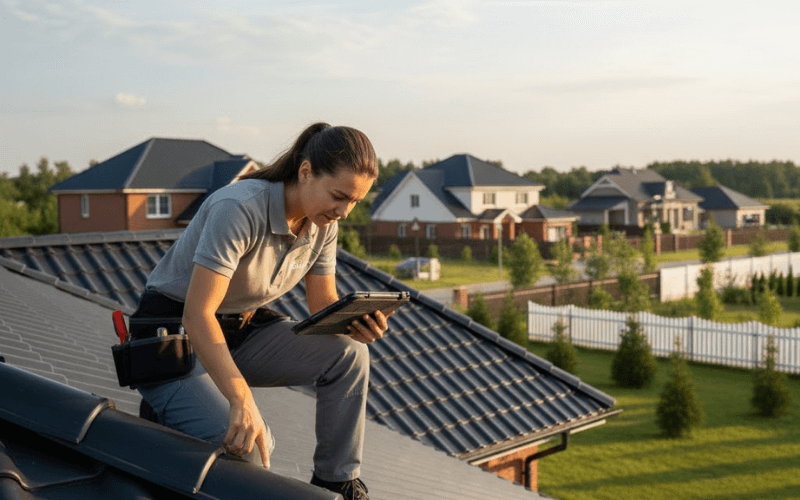
A roof’s lifespan depends as much on its environment and upkeep as on the material itself. Hot sun, humidity, and strong winds speed up wear and tear, while freezing climates can crack tiles or loosen shingles. Simple habits like cleaning gutters, trimming branches, and checking flashing can add years of life. Many roof failures actually come from poor installation or bad ventilation, not the materials. A well-installed roof, kept clean and inspected twice a year, will last far longer than one that’s ignored.
Signs It’s Time to Replace
Most roofs don’t fail overnight; they send visible signals long before structural integrity is lost. One of the earliest signs is leakage small water stains on ceilings or attic boards that indicate damaged underlayment. Over time, shingles may begin to curl, crack, or lose granules, especially on the sun-facing side of the roof. These are signs that the material’s weatherproof coating has broken down.
If your roofline appears uneven or sagging, this could mean the decking below has softened from trapped moisture. Similarly, mold or mildew inside the attic signals poor ventilation or hidden leaks. When repairs become frequent especially after every heavy rain it’s often more cost-effective to schedule a full replacement rather than continue patchwork fixes.
What Color Roof Is Best for Resale?
Regional Aesthetics and Buyer Psychology
Market studies show that neutral colors brown, black, gray, and tan tend to attract more buyers and improve resale appeal because they blend easily with most exteriors.
Heat Reflection and Energy Efficiency
Color also affects energy efficiency. Darker roofs absorb heat, which can raise cooling costs in warm regions, while light roofs reflect sunlight and stay up to 50–60°F cooler in hot weather.
Neutral vs. Trend-Based Colors for ROI
For resale, neutral and timeless colors are safest. Trendy hues may look modern but can date quickly. Match your roof color to your region’s architecture and the surrounding neighborhood for the best return.
Conclusion
Property managers manage, but property owners fund. Never pay the full price up front use clear, staged payment plans. Costs depend on size, materials, and hidden repairs, and timing projects during off-peak seasons can reduce expenses. For durability, metal or tile roofs offer 50-year performance, while neutral roof colors boost resale and energy efficiency. Work closely with your property manager, review your contract terms, and use detailed quotes to keep control of both quality and cost.
References
- ONR – Do Property Management Companies Pay Upfront for Roof Replacement?
https://onrapp.com/blog/do-property-management-companies-pay-upfront-for-roof-replacement - RoofCrafters – Do Property Managers Pay Upfront for Roof Replacement Costs?
https://www.roof-crafters.com/learn/do-property-managers-pay-upfront-for-roof-replacement-costs - Big Easy Roof Contractors – Do Property Management Companies Pay Up Front For Roof Replacement?
https://www.bigeasyroofcontractors.com/do-property-management-companies-pay-up-front-for-roof-replacement - Erie Home – How Much Should You Pay Upfront for a New Roof?
https://www.eriehome.com/blog/how-much-should-you-pay-upfront-for-a-new-roof - American Dream Restoration – Lifetime of a Roof: When to Replace Your Roof by Type
https://americandreamrestoration.com/lifetime-of-a-roof-when-to-replace-your-roof-by-type - RoofingCalc – What Is the Best Color for Roofing? Roofing Color Guide
https://www.roofingcalc.com/what-is-the-best-color-for-roofing