



When a property sits empty, it quickly becomes vulnerable to issues that go unnoticed for weeks leaks, vandalism, or even squatters. Vacant property management means maintaining and protecting an unoccupied home so that it remains secure, insured, and ready for the next tenant. With a structured plan, you can prevent deterioration, preserve its value, and avoid insurance complications that come with long vacancies.
What Is Vacant Property Management (Why It Matters)


Vacant property management involves taking responsibility for a property when it’s unoccupied usually between tenants, during renovations, or while waiting for a sale. It ensures the home remains secure, maintained, and compliant with insurance requirements. Leaving a property unattended can lead to water damage, break-ins, pest infestations, and costly repairs that would have been avoided with regular oversight.
Risks You Must Control
The main risks in a vacant home include theft, vandalism, burst pipes, mold, fire hazards, and squatters. Even short vacancies can lead to damage if inspections aren’t consistent. Insurance providers often adjust or suspend coverage after 30 days of vacancy, making active management critical. Regular checks, functioning alarms, and documented maintenance are the best protection against unexpected losses.
Insurance and Compliance Basics
Most property owners underestimate how fast insurance conditions change once a home is empty. Standard policies often require notification after 30 consecutive vacant days. If you fail to do so, claims can be denied even for unrelated issues. Insurers typically expect routine inspections, evidence of heating or drain-down procedures, and proof that utilities are safely managed.
Notify Your Insurer and Follow Policy Conditions
Once a property becomes vacant, contact your insurance provider immediately. They may apply a vacancy endorsement outlining new requirements like heating to a minimum temperature, shutting off water, or conducting photo-documented inspections every 7–14 days. Meeting these conditions ensures you stay covered during the vacancy.
Local Rules and Registrations
Some municipalities and homeowner associations require owners to register vacant homes or maintain certain curb appeal standards. Ignoring these rules can lead to fines and liability if damage spreads to neighboring properties. Always confirm local guidelines with your property manager or local housing authority.
Security Plan for Empty Homes
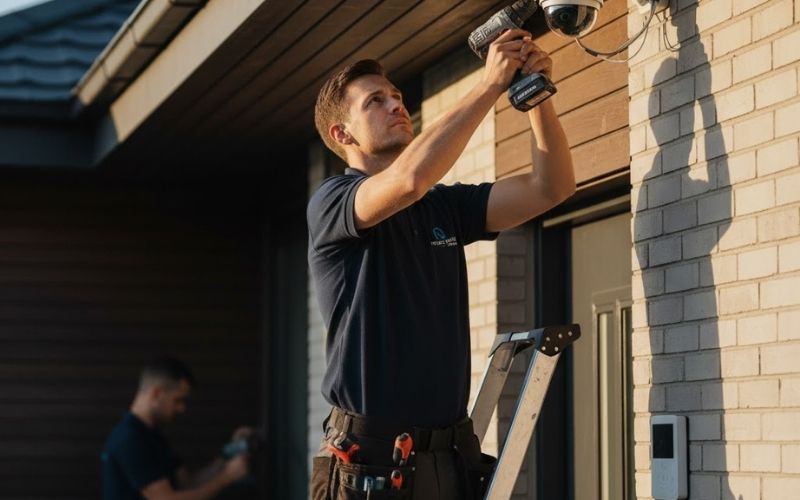
When a property stands vacant, it becomes a tempting target for vandals, squatters, and thieves. A solid security plan ensures not only the safety of the structure but also compliance with insurance requirements and peace of mind for the owner. Effective protection depends on combining physical barriers, technological systems, and routine oversight.
Doors, Windows, Locks, and Lighting
Start by reinforcing every entry point. Check door frames, replace weak locks, and make sure windows close tightly and have interior latches. Motion-sensor lights near doors, garages, and backyards help deter intruders at night, while timer-controlled lamps inside the house create the impression that someone is home.
Avoid letting mail pile up or leaving blinds permanently closed, these are clear signs of vacancy. Simple “This property is monitored” signs can make trespassers think twice before trying to enter.
Alarms, CCTV, and Monitoring
Modern alarm systems are affordable and easy to install. Wireless cameras and smart doorbells can alert you instantly to any movement around the property. Some systems allow remote viewing through your phone or connect directly to a monitoring center for immediate response.
Visible cameras and alarm boxes act as a deterrent, while recorded footage provides proof if something does happen. Even small, battery-powered sensors placed near doors or windows can add an extra layer of protection and help maintain insurance compliance.
Neighbor or Keyholder Support
Technology helps, but nothing replaces human presence. Assign a trusted neighbor, caretaker, or property manager as your keyholder so someone can access the property quickly after an alarm, storm, or maintenance alert. Their occasional visits checking doors, picking up flyers, or adjusting curtains help the home look active.
If the property is part of a community, letting nearby residents or local authorities know it’s being monitored adds another level of safety and visibility.
Utilities and Preventive Maintenance
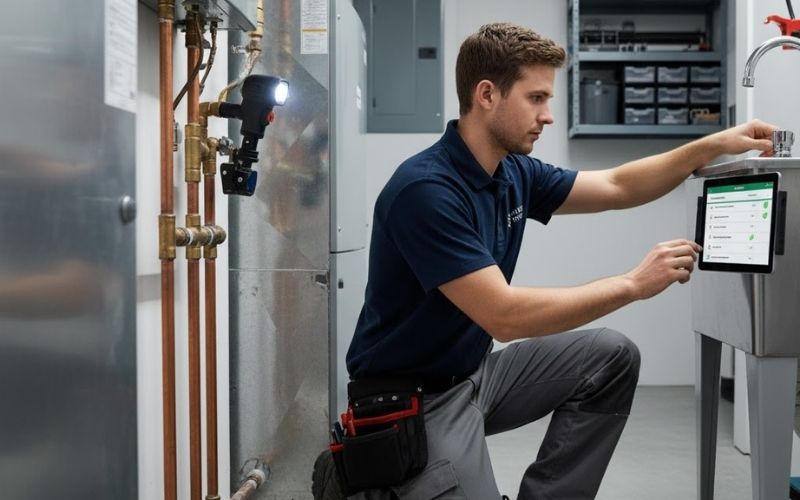
Managing utilities correctly prevents some of the most common and expensive vacant property losses. In cold climates, frozen pipes are a major threat; in warm ones, mold and humidity take over.
Keep minimal heat on during winter or safely drain plumbing lines. Shut off water at the main valve if no one will visit frequently. Electrical systems should remain active only for essentials like security lights, alarms, and cameras.
Preventive maintenance is equally important: clean gutters to prevent leaks, inspect roof tiles for cracks, and check for pests or water pooling after rain. Run taps occasionally if water remains on, and flush toilets to prevent drying seals and odors. These small steps keep the home’s systems healthy until new tenants move in.
Inspection Cadence and Documentation
Consistent inspections are the backbone of every successful vacant property strategy. Most insurers require weekly or bi-weekly visits, and keeping records of those inspections protects your coverage.
Checklists, Photos, and Reports
Create a simple digital checklist for each visit: inspect exterior walls, roofs, windows, alarms, utilities, and signs of entry. Take time-stamped photos during every visit and store them in cloud storage. This visual record helps with insurance claims, tenant disputes, and long-term maintenance planning.
Having a professional property manager perform inspections adds credibility, and many insurers view it as proof of “reasonable care.”
PropTech and Remote Monitoring
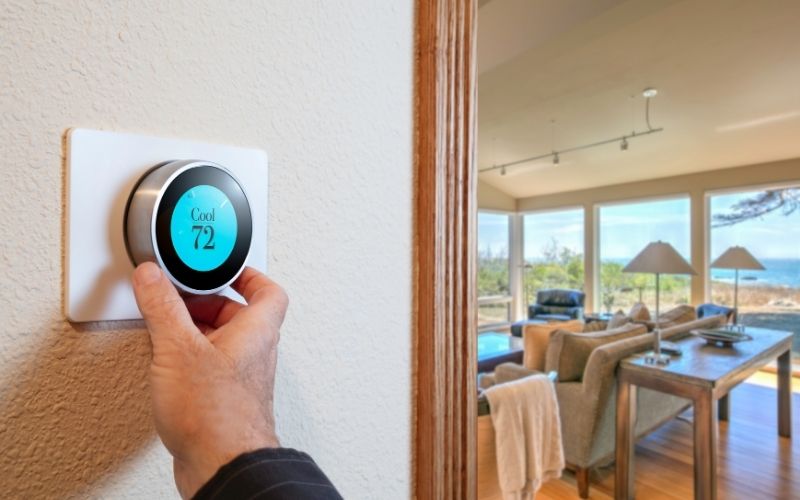
Technology has made it much easier to manage properties remotely. Smart leak detectors, temperature and humidity sensors, and motion cameras can instantly alert you to problems. Smart lighting systems simulate occupancy, while online dashboards allow property managers to track inspections, upload photos, and share reports.
These devices are affordable and prevent major losses. A $30 leak sensor under a sink can save thousands in water damage. The goal isn’t just to watch it’s to react early when something goes wrong.
Turnover Readiness (Between Tenants)
Preparing a property before and after each tenancy keeps vacancy periods short and value high. After move-out, conduct a detailed inspection, note damages, and handle necessary repairs immediately. Schedule deep cleaning, repainting, and appliance testing early so you can relist without delay.
During the vacant period, continue weekly check-ins to ensure no leaks, smells, or structural issues appear. Keep the exterior neat mow the lawn, clear pathways, and remove mail. These small actions signal that the home is maintained, making it more attractive to future tenants or buyers.
Marketing to Reduce Void Periods

Empty homes cost money every week they stay unoccupied. The faster you market, the better your return. Use high-quality photos and accurate descriptions that highlight upgrades and recent maintenance. Listing early even before a tenant vacates keeps the turnover gap short.
Consider adjusting the rent slightly to stay competitive and appeal to long-term, reliable tenants. Well-maintained properties tend to attract higher-quality renters, reducing future vacancy risks.
Short-Let or Interim Options
If a vacancy stretches beyond a month or two, consider offering short-term rentals. Platforms for short-lets can help cover utility bills and deter vandalism, since the property won’t appear empty. Always review insurance terms first many policies require separate coverage for short-term use.
Even if you don’t rent it out, hiring a property management company for periodic checks keeps everything functioning. They can handle cleaning, system testing, and curb appeal until a new lease begins.
Owner’s Quick Checklist
- Notify your insurer after 30 days vacant.
- Schedule and document weekly inspections.
- Secure all entry points and lighting systems.
- Keep minimal heating or drain plumbing safely.
- Maintain exterior cleanliness and remove clutter.
- Use smart sensors and cameras for alerts.
- Prepare and market the property before it sits too long.
FAQ
How long can a rental stay vacant before I notify insurance?
Most insurers require notice after 30 days of vacancy. If you wait longer, your coverage may automatically change or lapse.
How often should I inspect an empty property?
Once a week or every two weeks is typical. Keep photo logs and written notes to show you’re meeting insurance obligations.
What are the most effective security measures?
Use high-quality locks, motion-activated lights, and visible alarm signage. Cameras or smart doorbells are excellent low-cost deterrents.
Conclusion
Vacant property management isn’t just about keeping a building empty and locked it’s about protecting value, maintaining safety, and ensuring readiness for the next tenant. By combining regular inspections, clear insurance compliance, effective security, and preventive maintenance, you can reduce costs and risks dramatically. A vacant home doesn’t have to mean lost income; with a proactive plan, it stays safe, insurable, and ready for what’s next.
References
- Amanica – The Ultimate Guide to Vacant Property Management
https://www.amanica.com/blog/the-ultimate-guide-to-vacant-property-management - No Letting Go Inventory Management – How to Protect Vacant Property
https://nolettinggo.co.uk/how-to-protect-vacant-property - Ecclesiastical – Vacant Property Advice: Risk Management Guidance
https://www.ecclesiastical.com/risk-management/vacant-property-advice - Crow Facilities Management – 7 Top Tips for Vacant Property Management
https://www.crowfacilities.co.uk/7-top-tips-for-vacant-property-management - Apex Property Management – Vacant Property Management: Protecting Your Investment Between Tenants
https://www.apexpropertymanagement.com/blog/vacant-property-management-protecting-your-investment-between-tenants - HND Property Services – Vacant Property Management: Best Practices for Landlords
https://www.hndpropertyservices.co.uk/blog/vacant-property-management-best-practices-for-landlords